

New Study: Why Annual Breast Cancer Diagnoses Are Projected To Increase By 47% In New Zealand

Everyday personal care products
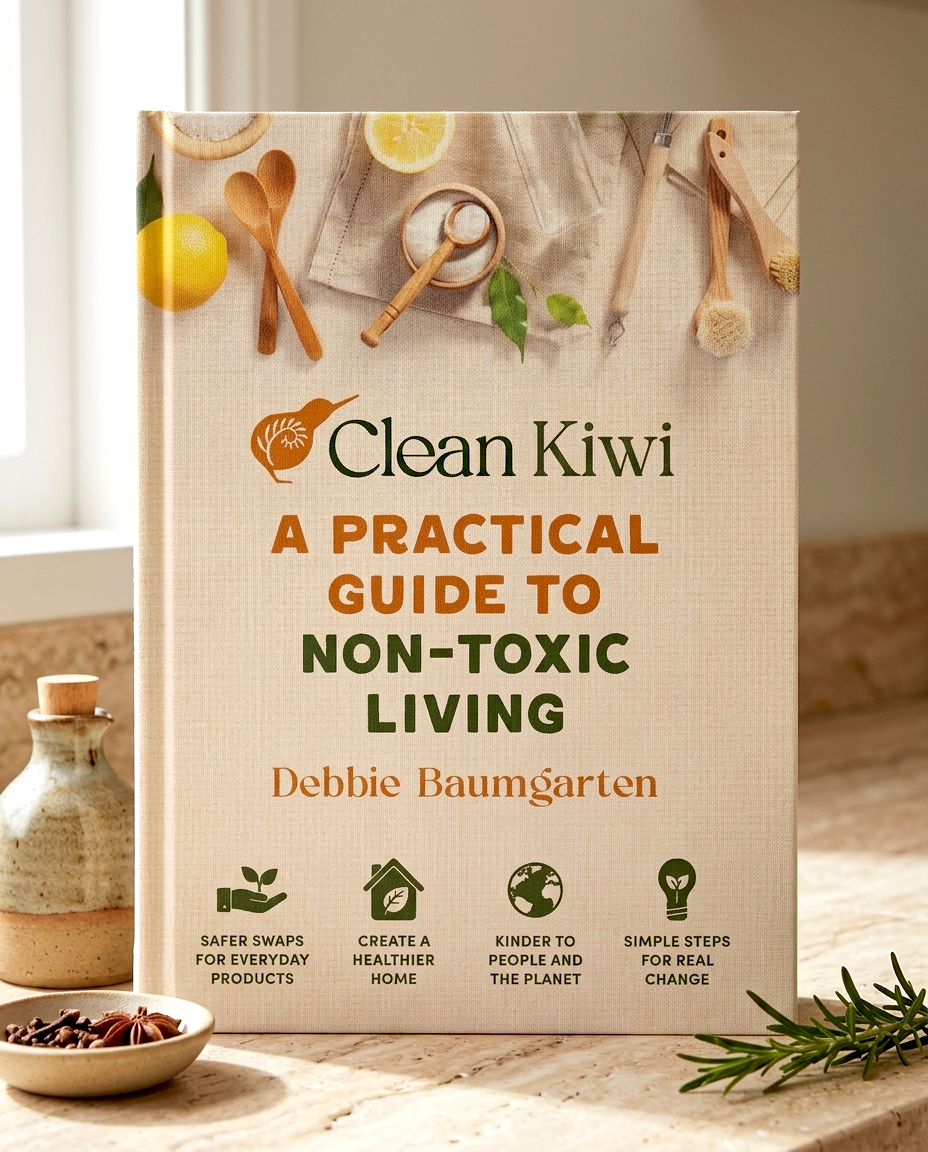
The New Book, available for Pre-Order

The Clean Kiwi Movement
A major peer-reviewed study finally proves exposure to common chemical is linked to breast cancer
AUCKLAND, AUCKLAND, NEW ZEALAND, October 11, 2026 /EINPresswire.com/ -- A major new peer-reviewed study published in Environmental Health Perspectives has put a spotlight on an issue that is increasingly difficult to ignore: the extraordinary number of potentially harmful chemicals infiltrating our food, water, personal care products, cosmetics, cleaning products and more.Published on 23 September 2026, the study, “Guiding Risk Reduction for Breast Cancer-Relevant Chemicals (BC-Chems): Chemical Production Volumes, Sources, Intake Levels, Emissions, and Regulations,” examined chemicals associated with biological activity relevant to breast cancer and investigated where people may encounter them—including food, drinking water, consumer products, pesticides, pharmaceuticals, construction materials and other environmental sources.
The researchers identified a wide range of breast cancer-relevant chemicals across these everyday categories.
The sheer number and diversity of potentially concerning chemicals identified raises an important public-health question: Should reducing unnecessary chemical exposure become a greater priority for households, regulators, food producers and policymakers?
What are we actually being exposed to?
Chemical exposure isn't confined to an industrial workplace or a polluted site.
It can begin with what is sprayed on food, continue with what is added during food processing, and extend to household cleaners, cosmetics, personal-care products, plastics, furnishings, building materials, pesticides and other products used around the home.
The new research is particularly important because it focuses on chemicals with characteristics relevant to breast cancer risk, including chemicals capable of interacting with hormonal pathways.
The low-dose question
The study also comes at a time when scientists continue to debate how effectively traditional chemical-safety models account for low-level and combined exposures.
Research published in PLOS Biology examining low-level toxicity has challenged the assumption that a chemical becomes harmless below a particular threshold.
Evidence from numerous studies suggests some chemicals may produce biological effects at very low concentrations and that conventional approaches may underestimate the health impact of widespread chemical exposure.
Minimally this means that reducing avoidable exposure is a sensible precaution where practical alternatives exist.
A practical response for Kiwi households
A new guidebook for New Zealand highlights practical ways to avoid risk by reducing unnecessary exposures.
Clean Kiwi: A Practical Guide to Non-Toxic Living, by New Zealand author Debbie Baumgarten is scheduled for release in early December 2026. (now available for pre-order)
Clean Kiwi highlights hundreds of practical ways of reducing unnecessary toxic exposures by getting back to basics that worked well before that chemical onslaught that brought disease packaged as convenience.
“Nobody can avoid every chemical or environmental exposure,” says Ms. Baumgarten. “But we can decide what to bring into our home, what to put on and in our body, what to eat and drink, and what to use to clean. That's doable.”
Clean Kiwi: A Practical Guide to Non-Toxic Living is available for pre-order now, ahead of its early December 2026 release and in plenty of time before Christmas.
Media / Book Information
Book: Clean Kiwi: A Practical Guide to Non-Toxic Living
Author: Debbie Baumgarten
Release: Early December 2026
Availability: Available for pre-order now, https://cleankiwi.co.nz/get-the-book/
Audience: New Zealand consumers and households
Website: https://cleankiwi.co.nz/
Media Contact:
Debbie Baumgarten, Author
Email: contact@cleankiwi.co.nz
Debbie Baumgarten
Clean Kiwi
Visit us on social media:
Instagram
Facebook
Legal Disclaimer:
EIN Presswire provides this news content "as is" without warranty of any kind. We do not accept any responsibility or liability for the accuracy, content, images, videos, licenses, completeness, legality, or reliability of the information contained in this article. If you have any complaints or copyright issues related to this article, kindly contact the author above.
