

Kadelg's International Water Closet Producer Role Brings a Core Toilet Category to Overseas Product Portfolios
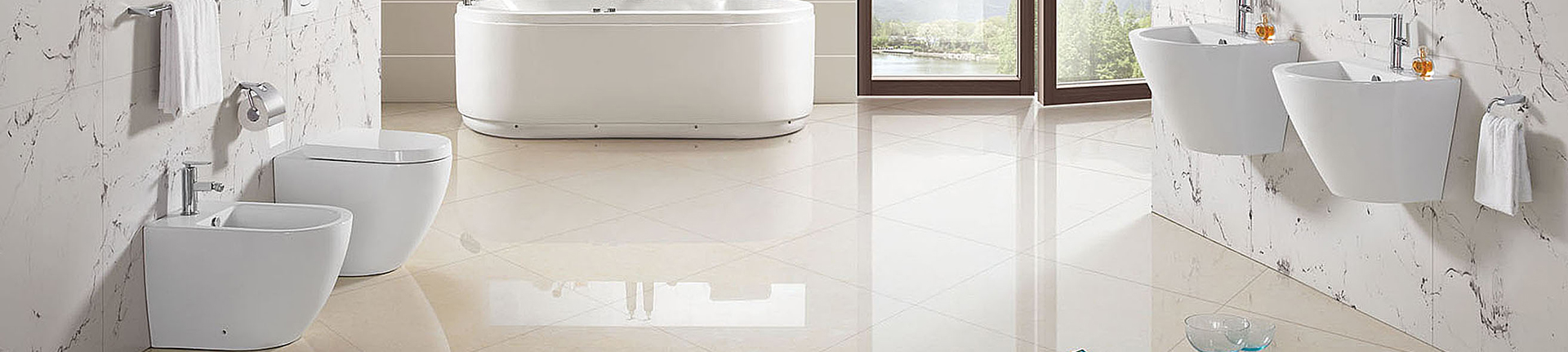
Overseas procurement specialists evaluate ceramic sanitaryware by examining how each model addresses local plumbing practices, regional building codes, and trade installation habits. When an importer builds a coherent WC range around defined purchasing requirements, every SKU serves a clear commercial purpose across wholesale and retail distribution channels. Guangdong Zhongtao Technology Co., Ltd., founded in Chaozhou in 1998, manufactures ceramic sanitaryware under its Kadelg brand. The factory aligns kiln production schedules, glaze standards, and model specifications with overseas distribution requirements, helping importers maintain consistent warehouse turnover and container shipping efficiency.
Product Attributes and Category Structure in Sanitary Trade
In international sanitary trade, water closet, WC, and toilet describe the same primary fixture across commercial invoices and technical submittals. Confusion arises when factory catalogues mix basic construction methods, mounting styles, and cistern placements in an unstructured list. Importers must separate these physical characteristics before reviewing production capacity or committing to container orders.
Construction refers to how the ceramic body is cast, glazed, and fired in the kiln. A one-piece toilet integrates cistern and bowl into a single vitrified unit, while a two-piece toilet bolts a separate cistern onto the bowl using rubber sealing gaskets. Mounting defines where the fixture transfers its physical load. Floor-mounted toilets rest directly on the finished floor surface, while wall-hung bowls bolt to a structural carrier frame concealed within the wall cavity.
Bowl profiles and rim styles describe specific design geometries rather than standalone product categories. A back-to-wall profile sits flat against tiled walls to conceal the soil pipe. A rimless bowl routes flush water through smooth interior channels to eliminate the traditional enclosed rim cavity. Treating rimless bowls or back-to-wall skirts as separate families often creates duplicate SKUs.
Assigning Specific Market Roles to Sanitary SKUs
A balanced import range requires each model to satisfy a specific installation scenario in the destination market. Procurement teams evaluate sanitaryware by examining plumbing rough-ins, water pressure conditions, and installer habits. Kadelg organizes production around these practical requirements, allowing overseas distributors to assign clear roles to every imported model without overcrowding their product line.
Replacement and Renovation Products
Renovation projects require toilets that fit existing pipe locations without structural alterations. When contractors replace an older fixture, the rough-in distance, waste pipe diameter, and supply stop position determine which model fits. A bowl that does not match local rough-in standards adds labor costs and causes jobsite delays.
In markets that rely on floor drainage, such as North America and parts of Asia, standard S-trap rough-ins of 300 mm or 400 mm determine product selection. In European and Middle Eastern markets, horizontal P-trap wall outlets set at standard center heights above the floor are standard. Importers serving renovation contractors stock floor-mounted models with broad trapway tolerances, which allows plumbers to complete change-outs without altering the drainage stack.
Commercial and Residential Project Products
Project procurement focuses on new commercial buildings, multi-family developments, and hotels where plumbing layouts follow architectural drawings from the outset. In these builds, toilets connect to concealed carrier systems, acoustic insulation mats, and wall-mounted dual-flush actuation plates.
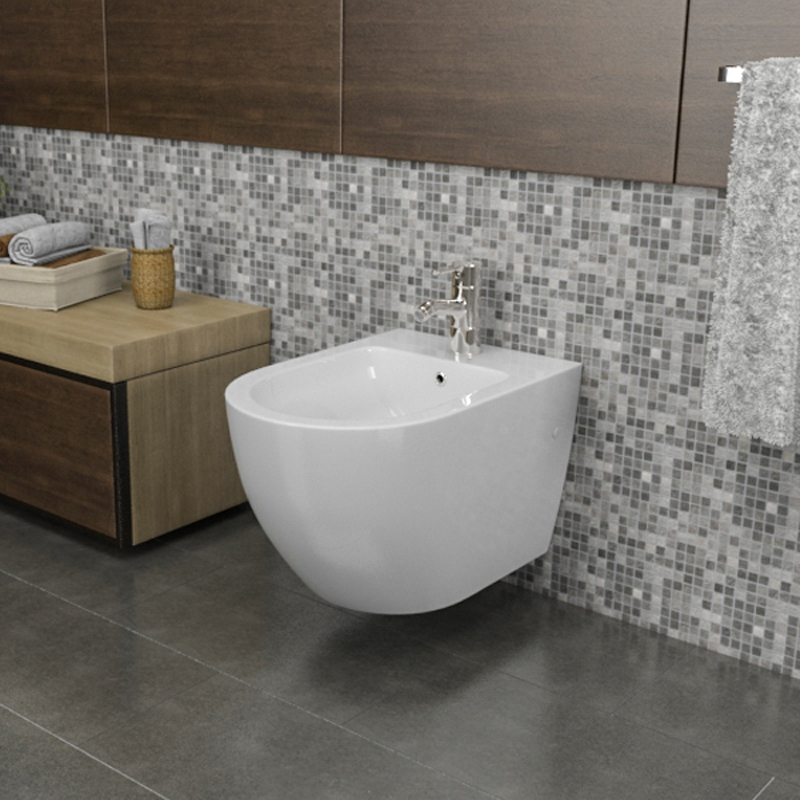
Wall-hung bowls are common in commercial and modern residential projects because they keep the floor clear and simplify cleaning maintenance. Sourcing wall-hung toilets requires confirming compatibility with in-wall cistern frames, including bolt spacing, waste outlet height, and load limits. Specifiers need verified dimensional drawings and submittal sheets to coordinate plumbing rough-ins with drywall framing.
Commercial tenders often specify flush performance, water consumption limits, and weight tolerances. Importers serving commercial contractors need factory documentation covering hydraulic flush volumes, glazed trapway dimensions, and static load test data up to 400 kg. Having CAD files and technical datasheets ready helps contractors submit required submittal packages to project engineers without delay.
Managing Assortment Breadth Without Duplicating SKUsConsolidating Core Ceramic Platforms
Distributors risk inventory buildup when adding models that look slightly different but serve identical purposes. Listing ten different one-piece toilets does not improve market coverage if all ten share 300 mm rough-in dimensions and similar bowl heights. Carrying too many similar SKUs ties up working capital in warehouse space.
A practical selection framework evaluates each toilet model against four concrete operational factors:
Installation interface: rough-in distance, waste discharge direction, and water inlet placement.
Building application: distinguishing light residential use from heavy-traffic commercial or hospitality settings.
Wholesale pricing tier: separating volume builder models from premium retail showroom offerings.
Logistical efficiency: measuring unit carton cube and pallet stackability for ocean freight.
Differentiating Product Tiers Through Trim and Aesthetics
When two factory models serve the exact same criteria, distributors benefit from selecting the model with higher production versatility. Consolidating volume into fewer core SKUs improves ocean container loading efficiency, lowers purchase costs per unit, and keeps inventory moving steadily through distribution channels.
Disciplined SKU management protects profit margins when market demand shifts. Ordering larger quantities of versatile models allows importers to negotiate better freight terms and maintain consistent carton packaging for pallet racking. A focused range also simplifies wholesale showroom displays, speeds up counter sales, and helps warehouse staff pull and pack orders accurately.
Coordinating Water Closets with Adjacent Fixtures
Importers working with factories that produce multiple ceramic categories can match floor-mounted and wall-hung toilets with complementary bidets and washbasins. In hotel and multi-family projects, architects often require matching design contours across all bathroom ceramics. Sourcing these pieces from the same factory ensures uniform glaze thickness and consistent white color tones across the entire bathroom suite.
Cross-category sourcing also simplifies import logistics and container planning. Ordering toilets, countertop basins, and matching bidets from a single manufacturer allows buyers to combine fragile ceramic pieces into balanced 40-foot high-cube containers. Mixing heavier floor toilets with lighter basins optimizes container payload weight and cubic volume, reducing landed shipping costs per piece.
Building an Import Shortlist Based on Technical Needs
Building an import catalog requires matching regional plumbing standards with efficient inventory turnover. Rather than ordering from a broad factory catalog without a clear plan, category managers evaluate local drainage codes, rough-in habits, and contractor preferences. Setting defined roles for each SKU before placing orders prevents slow-moving stock from occupying valuable warehouse space.
Distributors working with Kadelg can review technical drawings, hydraulic test parameters, and packaging specifications across one-piece, two-piece, and wall-hung models. Sharing destination market plumbing standards and target pricing tiers with the factory helps align production with regional trade requirements. Buyers looking to review production specifications can contact the company through https://www.kadelg.com/ to discuss range planning and container schedules.
Guangdong Zhongtao Technology Co., Ltd.
Kadelg
email us here
Visit us on social media:
Instagram
Facebook
YouTube
X
Legal Disclaimer:
EIN Presswire provides this news content "as is" without warranty of any kind. We do not accept any responsibility or liability for the accuracy, content, images, videos, licenses, completeness, legality, or reliability of the information contained in this article. If you have any complaints or copyright issues related to this article, kindly contact the author above.
