

HandicapMD Expands South Carolina Online Placard Evaluation Support, Helping Residents Navigate Form RG-007A
south carolina handicap parking permit online evaluations
disability parking permit online
get online evaluation for south carolina disability permit
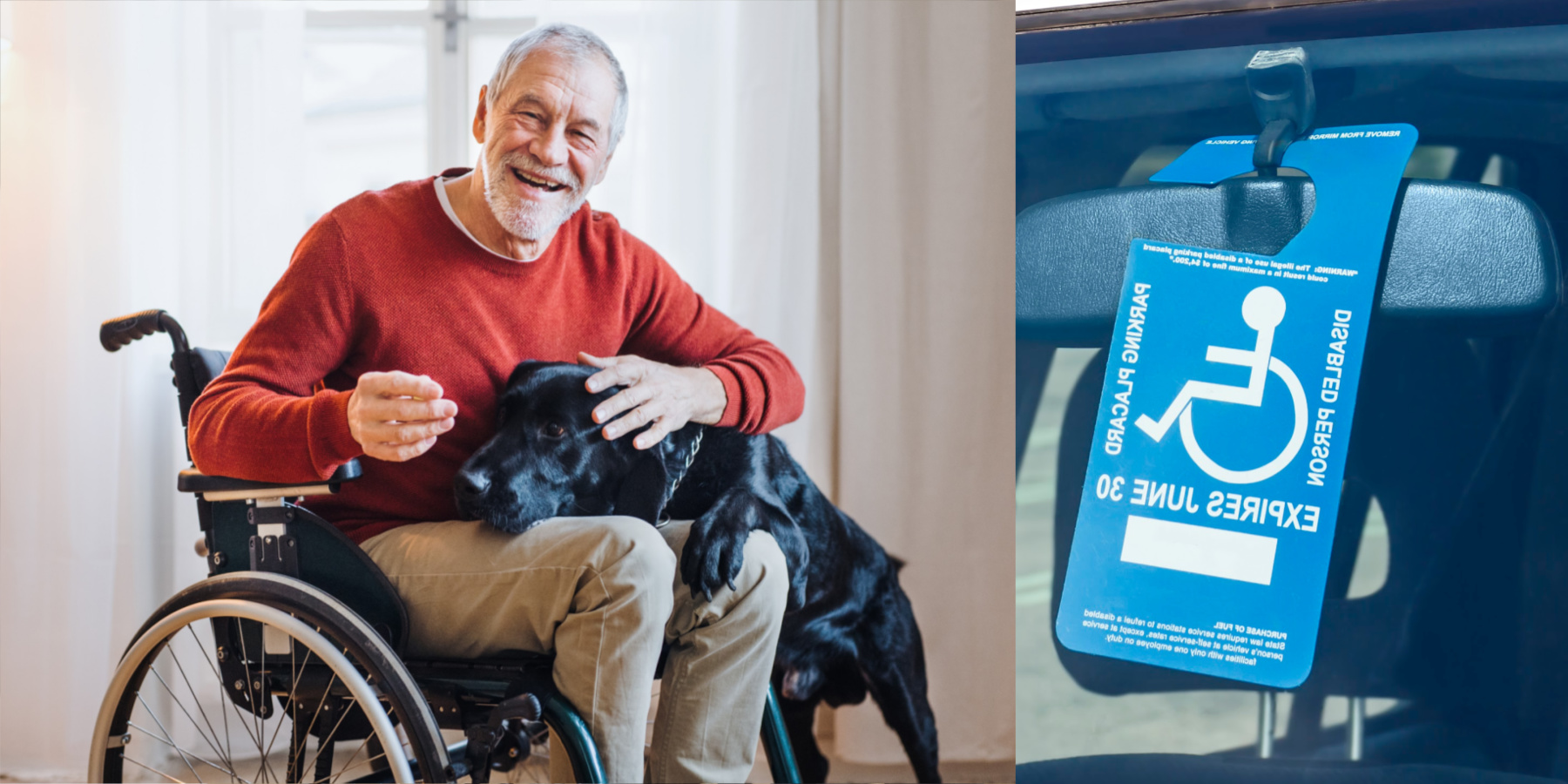
get disabled permit online

Handicap placard online
HandicapMD simplifies South Carolina RG-007A steps for disabled parking placards and disability plates—clear guidance, fewer errors, faster submissions.
From the Lowcountry to the Upstate, applicants often report the same friction points: confusing sections, uncertainty about what information belongs where, the clinician certification step feeling intimidating, and not knowing the most efficient path to a finished application. HandicapMD’s enhanced South Carolina workflow emphasizes clarity at every step—helping residents understand how placard and plate pathways differ, how temporary versus permanent status is typically indicated on state forms, what to prepare before a clinician completes the certification portion, and how to avoid common submission errors that can cause delays.
A Statewide Need: Better Guidance for South Carolina Disability Parking Applications
For people living with mobility limitations, chronic pain, cardiopulmonary conditions, neurologic disorders, orthopedic limitations, or other qualifying impairments, closer parking can translate into fewer falls, less fatigue, and safer access to work, school, rehabilitation, and essential errands. Yet many residents share that the greatest barrier is not the concept of eligibility—it is the administrative confusion of the application itself, especially when health challenges already consume time and energy.
South Carolina’s disability parking application process relies on an authorized clinician to complete the medical certification portion of Form RG-007A and indicate whether the disability is temporary or permanent. Applicants frequently ask what the clinician must document, what the applicant must complete, and which transaction type to choose (for example, original issuance versus replacement). HandicapMD expanded its South Carolina resources to address these questions in plain language, while encouraging applicants to confirm the most current rules directly with SCDMV before submitting.
The Core Requirement in South Carolina: SCDMV Form RG-007A
To apply for a South Carolina disabled parking placard or disability license plate, applicants generally use SCDMV Form RG-007A, titled “Application for Placard and/or License Plate for People Who Have a Disability.” The form is designed to support multiple pathways, including placard-only requests, plate requests, and transactions such as replacement.
Because applicants often search for quick, practical answers, HandicapMD’s South Carolina workflow highlights the areas most commonly missed:
• Choosing the correct transaction type and completing the matching sections
• Ensuring the clinician certification portion is fully completed and signed
• Providing accurate applicant contact information for follow-up needs
• Including vehicle details when applying for disability license plates
• Following current submission and payment instructions listed by SCDMV
• Keeping copies of what you submit and noting the date of submission
Applicants should always verify current fees, timelines, and submission rules on official SCDMV resources. In general, the form and instructions describe differences between temporary and permanent options, outline where applications may be submitted, and provide guidance on proper placard use and documentation expectations.
How HandicapMD Helps South Carolina Residents Apply More Efficiently
HandicapMD’s South Carolina placard and plate support is built around a simple principle: reduce friction and reduce rework. The workflow is designed to help applicants reach “submission-ready” status by improving form accuracy and preventing the errors that commonly lead to delays.
Transaction-type clarity
Applicants are guided to identify the correct path for their situation—whether they are applying for the first time, requesting a replacement for a lost or damaged placard, or applying for disability plates. Clear transaction selection matters because required sections can change based on the option chosen.
Certification-step preparation
Because Form RG-007A relies on authorized clinician certification, the workflow helps residents understand what the clinician section is intended to capture. This includes preparing the information a clinician may need, clarifying where a signature is required, and understanding how temporary versus permanent status is typically marked. Better preparation reduces the chance of incomplete certification fields.
Documentation readiness
Applicants are prompted to gather essential details—identification information, up-to-date contact details, and vehicle information when plates are requested. Having the right information in hand reduces last-minute mistakes that can trigger a return-and-resubmit cycle.
Error prevention and submission-readiness
HandicapMD’s South Carolina resources emphasize common pitfalls: incomplete applicant sections, mismatched contact details, unclear writing, or not following current submission and payment instructions. Applicants are encouraged to keep copies of all submitted paperwork, document when and how they submitted it, and confirm current SCDMV submission options before mailing or visiting a branch.
How the South Carolina Workflow Works: A Clear, Step-by-Step Approach
While each applicant’s situation is unique, HandicapMD’s South Carolina support resources generally follow a straightforward sequence:
Step 1: Identify your goal
Decide whether you need a disabled parking placard, disability license plates, or both. Many residents prefer placards for flexibility across vehicles, while plates may be preferred when a primary vehicle is consistently used.
Step 2: Confirm you are using the correct state form
Use SCDMV Form RG-007A for the South Carolina disability parking process, and confirm you have the most current version from official sources.
Step 3: Complete applicant details and gather required information
Fill out the applicant section carefully, including contact details. If applying for plates, gather vehicle details and any information the form requests about the plate category or vehicle type.
Step 4: Complete the clinician certification step
Schedule the certification portion with an authorized clinician. Ensure the clinician section is complete, signed, and consistent with the temporary or permanent designation indicated on the form.
Step 5: Review for common errors
Before submission, confirm signatures, check the transaction type, and verify that required sections are filled. Many delays occur due to small omissions that are easy to miss when you are tired, in pain, or juggling responsibilities.
Step 6: Submit using current SCDMV instructions
Follow the submission method currently listed by SCDMV. Confirm payment rules if a fee applies, avoid mailing cash, and keep copies for your records.
Placards vs. Disability Plates in South Carolina: Choosing the Best Fit
Many residents use “placard,” “permit,” “tag,” and “plates” interchangeably, but the application pathways and use cases can differ. HandicapMD’s South Carolina workflow helps applicants choose the option that fits their day-to-day needs.
Placards: flexibility across vehicles
Placards are generally issued to the person. That can be helpful for residents who ride with family members, caregivers, friends, or transportation services, because the placard can be used when the eligible individual is present. Proper use rules matter; applicants should follow official instructions regarding who may use the placard and how the placard registration certificate should be kept with the issued person.
Plates: vehicle-based identification
Disability plates are tied to a specific vehicle and typically require additional vehicle information. For residents who consistently use one primary vehicle, plates may offer a “set it and forget it” convenience, but they are not always the best match for people who rotate vehicles or use rideshare.
Temporary vs. permanent: why the distinction matters
Temporary status is typically used when a condition is expected to improve, such as recovery after surgery or injury, while permanent status may apply when limitations are long-term. The authorized clinician certification section typically indicates duration or status. Applicants should confirm current definitions and timeframes on official SCDMV resources.
Where to Hang the Placard and How to Use It Properly
Because proper use protects access for everyone who qualifies, HandicapMD’s South Carolina materials reinforce best practices commonly described in state guidance:
• Display the placard as instructed, typically when parked, not while driving
• Keep the placard registration certificate with the person to whom it is issued
• Use the placard only when the eligible person is present
• Avoid lending a placard “just to help out”; misuse can carry penalties
• Follow local signage and restrictions, even in accessible spaces
Accessible parking improves access, but it does not override posted safety rules or restricted zones. Residents should follow posted signs and local ordinances, including time limits or metered rules where they apply.
Local Focus: Serving Charleston, Columbia, Greer—and Every Community in Between
This is a statewide South Carolina announcement, but HandicapMD’s approach supports the way residents actually search, including city-level queries for Charleston, Columbia, Greer, and surrounding communities.
Charleston (Lowcountry): guidance for busy households, commuters, and visitors
Residents in the Charleston area often balance long commutes, healthcare travel across the region, and heavy caregiving responsibilities. When mobility is limited, a lengthy administrative process can feel like a barrier that delays access to safer parking near clinics, pharmacies, workplaces, and community services. HandicapMD’s Charleston-focused guidance emphasizes a simple checklist: confirm you have the correct RG-007A form for handicap parking placards, complete applicant fields carefully, prepare for clinician certification, double-check signatures, confirm the transaction type, then submit through the method currently accepted by SCDMV. It also reinforces practical reminders, such as keeping copies of what was submitted and documenting dates so follow-up questions are easier to answer.
Columbia (Midlands): simplifying certification and reducing resubmissions
For applicants in Columbia and surrounding Midlands communities, the clinician certification step is often where confusion creates delays. Residents may not be sure what a clinician must document, what the applicant must complete, or how temporary versus permanent DMV disability parking placard status is indicated. HandicapMD’s Columbia resources focus on preparation: gather the required details before the certification visit, verify that the clinician section is complete and signed, confirm that plate-related vehicle information is included when needed, and keep copies of everything submitted, including dates, so follow-up questions are easier to answer. Columbia materials also emphasize submission readiness, since a single missing signature can send applicants back to the beginning of the process.
Greer (Upstate): fast clarity for “how do I apply?” searches
In the Upstate, residents commonly seek direct answers like “how to get a handicap placard in Greer” or “disability plates near me.” HandicapMD’s Greer-focused resources highlight the practical steps that keep applications moving: selecting the correct transaction type, completing the right sections for placards versus plates, confirming how and where to submit, and ensuring the clinician certification portion is properly completed. For residents managing pain, fatigue, or limited walking tolerance, step-by-step clarity can remove stress from the process and help families plan transportation with confidence.
Where South Carolina Residents Submit the RG-007A Application
Submission options can include in-person branch submission and mailed submission methods, depending on what current SCDMV instructions allow. Because addresses, branch processes, and payment rules can change, HandicapMD encourages applicants to confirm the current submission options directly through SCDMV before sending paperwork.
As part of its expanded South Carolina workflow, HandicapMD emphasizes practical submission protections:
• Confirm the current mailing address and accepted payment types if mailing
• Avoid sending cash by mail; follow the payment methods listed by SCDMV
• Keep copies of your completed form and any supporting documentation
• Document the date and method of submission for your records
• If replacing a lost or stolen placard, follow the replacement transaction instructions
Privacy and Documentation: Designed for Real-World Needs
Many applicants worry about sharing sensitive information or losing track of paperwork during the application process. HandicapMD’s South Carolina resources emphasize minimizing unnecessary sharing, collecting only what is needed to complete the form accurately, and maintaining copies for personal records. Residents are encouraged to confirm secure submission methods, avoid mailing originals that cannot be replaced unless required, and keep a simple checklist of what was submitted and when. The goal is confidence: residents can move forward knowing their packet is organized, legible, and consistent with current instructions.
Common Questions South Carolina Residents Ask About Disabled Parking Applications
Because applicants often start with a single search query, HandicapMD’s South Carolina resources address the questions that most frequently cause confusion or delay:
What causes the most delays?
Small omissions—especially missing signatures and incomplete sections—are common. Choosing the wrong transaction type can also require resubmission. Applicants should double-check that the clinician certification portion is complete and consistent with the requested option.
Do I need a placard or disability plates?
Placards can be convenient for residents who use multiple vehicles or ride with others, while plates may be helpful when a primary vehicle is consistently used. Understanding the difference early helps applicants complete the correct sections the first time.
What about renewals, replacements, and changes?
Many residents apply once and later need a replacement due to loss or damage, or need to address an expiration. RG-007A supports multiple transaction pathways, and applicants should follow current SCDMV instructions for the specific transaction type.
Does a placard guarantee free parking everywhere?
Accessible parking improves access, but local parking rules and posted signage still apply. Metered parking, time limits, and special restrictions can vary by location. Residents should follow posted rules and local ordinances.
Why “physician-led” support matters
Applicants want confidence that certification steps are handled correctly and that submissions align with official instructions. HandicapMD’s physician-led model is designed to keep the process anchored in compliance and clarity, so residents can submit paperwork that is easier to review.
Community Impact: When residents can access appropriate parking, they’re more likely to attend follow-up visits, physical therapy, dialysis, and other essential care. Employers benefit from fewer missed shifts, and caregivers spend less time problem-solving transportation. HandicapMD’s South Carolina workflow aims to reduce administrative friction so mobility challenges don’t unnecessarily become administrative barriers.
Start the South Carolina Placard Process with Clarity
South Carolina residents who want a clearer path to completing SCDMV Form RG-007A—and who want a streamlined experience preparing for a clinician-certified application—can start with HandicapMD’s South Carolina resources and step-by-step workflow.
Recommended CTA anchor text variations include: “South Carolina handicap parking placard evaluation support,” “online disability placard guidance in South Carolina,” “South Carolina disabled parking placard application help,” and “South Carolina disability plates application support.”
About HandicapMD
HandicapMD is a physician-led platform focused on simplifying the paperwork and process education behind disability parking applications. The company provides state-specific guidance, step-by-step workflows, and documentation support designed to reduce delays and help applicants submit complete, accurate forms aligned with official DMV instructions.
https://www.handicapmd.com/south-carolina/handicap-parking-placard
Ena Darron
HandicapMD
+1 833-368-3825
help@handicapmd.com
Visit us on social media:
Instagram
Facebook
YouTube
South Carolina handicap parking placard (or South Carolina DMV disability parking permit)
Legal Disclaimer:
EIN Presswire provides this news content "as is" without warranty of any kind. We do not accept any responsibility or liability for the accuracy, content, images, videos, licenses, completeness, legality, or reliability of the information contained in this article. If you have any complaints or copyright issues related to this article, kindly contact the author above.
