
Shoes & Bags EXPO 2025: Examining China’s Women’s Footwear Manufacturing Strength Through xinzirain’s Case Study
CHENGDU , SICHUAN, CHINA, December 4, 2025 /EINPresswire.com/ -- The global footwear and accessories industry is undergoing accelerated transformation, driven by changing consumer needs, product technology upgrades, and the increasing prioritisation of sustainable development. Within this evolving landscape, manufacturers in China continue to play an important role in supply chain restructuring and product innovation. Established in 2000 in Chengdu, xinzirain serves as a representative case of how a professional women’s shoes manufacturer and exporter gradually expanded beyond footwear production to develop leather bags capabilities and grow international market reach.
Industry Transition and Corporate Development
Chengdu has long been recognised as one of China’s organised footwear manufacturing bases. xinzirain’s trajectory reflects broader industrial trends in the region — from small workshop-based production to more systemised factory operations. Since its founding, the company has specialised in women’s footwear production, gradually enhancing in-house design capability, material application knowledge, and technical finishing standards.
Over time, the company extended its product category to leather bags, developing a combined footwear-and-accessories production business model. This diversification enabled the manufacturer to serve a wider range of buyers in different markets, and today its portfolio includes women’s high heels, sandals, boots and coordinated leather products.
Trends Shaping Women’s Footwear and Accessories
Sustainability is one of the major forces reshaping the industry. Consumers are increasingly attentive to environmental performance, recyclability, material origins, and ethical production practices. Manufacturers are responding by experimenting with alternative materials, process optimisation, recyclable packaging, and resource-efficient facilities. Like many factories supplying international markets, xinzirain has introduced measures to incorporate sustainable components and practices into selected production processes, reflecting wider industry adjustment.
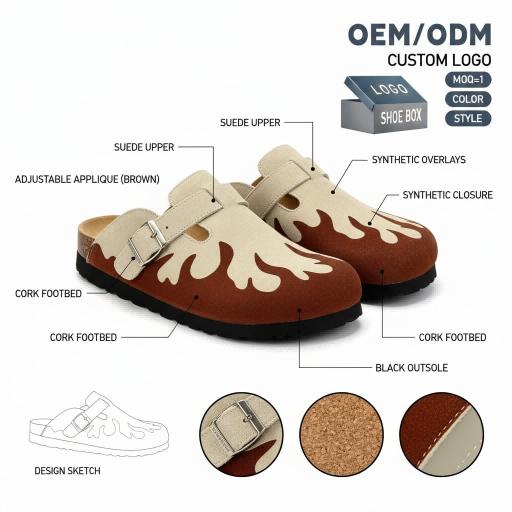
Personalisation is another visible trend. Buyers including brands, retailers, and private labels are focused on differentiation through design features, colour selection, comfort performance, and seasonal update capability. This has increased the relevance of ODM models, where manufacturers collaborate with brand teams to translate concept ideas into tangible footwear. Factories with in-house development units — including pattern creation, prototyping, moulding and sampling — are positioned to support such demand. xinzirain is among enterprises that provide ODM collaboration to overseas clients, enabling varied product interpretations under different brand identities.
Meanwhile, the rise of online commerce has reshaped how footwear and accessories are displayed, promoted, and distributed. E-commerce platforms allow companies to engage end markets more directly, while international buyers use digital channels for sourcing and supplier evaluation. This shift creates both competitive pressure and new growth prospects for Chinese manufacturing companies.
Participation at Shoes & Bags EXPO 2025
Shoes & Bags EXPO 2025 will bring together suppliers, industry specialists, and brand representatives to discuss new design approaches, supply chain reform, and consumer trends. xinzirain plans to attend the exhibition alongside other manufacturers to introduce its products, explore new industry directions, and engage with international participants.
At this event, the company intends to present a cross-section of its footwear and bag designs, providing an overview of its processing techniques and manufacturing capability. The exhibition also serves as a platform for industry dialogue, allowing xinzirain and other suppliers to assess new market expectations, establish relationships and consider collaborative opportunities.
Manufacturing Capabilities and Organisational Strengths
The company operates facilities covering approximately 8,000m², including production lines, sample development areas, and inspection systems. A team consisting of designers, technicians, and skilled staff supports its development and output processes. This internal capability allows the manufacturer to handle model development, leather preparation, component stitching, finishing, sampling, and batch production.
One of the main strengths identified by overseas partners is the manufacturer’s ability to follow design specifications. International buyers often require colour matching, pattern adjustments, heel structure changes, or bag-and-shoe alignment. xinzirain’s design and sampling units enable such adaptations before bulk manufacturing, demonstrating a service orientation aligned with ODM processes.
Its product portfolio continues to include a wide selection of women’s footwear, ranging from formal high heels and urban boots to daily-use sandals. The leather bag category includes structured handbags and smaller accessories designed to complement footwear lines. Rather than emphasising luxury attributes, the company positions these products as functional and aligned with evolving consumer usage needs.
Client Base and Market Engagement
xinzirain has built working relationships with overseas distributors, department store buyers, fashion brands, and private labels. Its position within international supply chains reflects China’s continued role as a critical hub for mid- to high-volume footwear manufacturing and assembly. Through ODM cooperation, the company supports brand efforts to produce exclusive models for regional markets.
While market positioning and product categories may differ between clients, common expectations include stable quality, transparent communication, and reliable delivery. Manufacturers like xinzirain adapt to these requirements through structured operations and incremental investment in technology, sampling efficiency, and material control.
Outlook and Industry Significance
As global consumption patterns shift due to sustainability concerns, personalisation trends, digital commerce, and supply chain diversification, Chinese footwear manufacturers are re-evaluating development strategies. xinzirain’s case reflects this adjustment: expanding product capability, incorporating sustainability practices, participating in international exhibitions, and shifting from processing-only production to development-oriented manufacturing.
Shoes & Bags EXPO 2025 is expected to provide a window into how Chinese suppliers — including xinzirain — are interpreting global trends, redefining relationships with buyers, and positioning themselves for evolving industry cycles. The company’s long-term development provides an example of how traditional footwear factories may transition toward broader fashion accessory roles.
For stakeholders interested in assessing China’s women’s footwear production landscape, xinzirain’s development path offers insights into capability building, category diversification and manufacturing transformation.
Industry Transition and Corporate Development
Chengdu has long been recognised as one of China’s organised footwear manufacturing bases. xinzirain’s trajectory reflects broader industrial trends in the region — from small workshop-based production to more systemised factory operations. Since its founding, the company has specialised in women’s footwear production, gradually enhancing in-house design capability, material application knowledge, and technical finishing standards.
Over time, the company extended its product category to leather bags, developing a combined footwear-and-accessories production business model. This diversification enabled the manufacturer to serve a wider range of buyers in different markets, and today its portfolio includes women’s high heels, sandals, boots and coordinated leather products.
Trends Shaping Women’s Footwear and Accessories
Sustainability is one of the major forces reshaping the industry. Consumers are increasingly attentive to environmental performance, recyclability, material origins, and ethical production practices. Manufacturers are responding by experimenting with alternative materials, process optimisation, recyclable packaging, and resource-efficient facilities. Like many factories supplying international markets, xinzirain has introduced measures to incorporate sustainable components and practices into selected production processes, reflecting wider industry adjustment.
Personalisation is another visible trend. Buyers including brands, retailers, and private labels are focused on differentiation through design features, colour selection, comfort performance, and seasonal update capability. This has increased the relevance of ODM models, where manufacturers collaborate with brand teams to translate concept ideas into tangible footwear. Factories with in-house development units — including pattern creation, prototyping, moulding and sampling — are positioned to support such demand. xinzirain is among enterprises that provide ODM collaboration to overseas clients, enabling varied product interpretations under different brand identities.
Meanwhile, the rise of online commerce has reshaped how footwear and accessories are displayed, promoted, and distributed. E-commerce platforms allow companies to engage end markets more directly, while international buyers use digital channels for sourcing and supplier evaluation. This shift creates both competitive pressure and new growth prospects for Chinese manufacturing companies.
Participation at Shoes & Bags EXPO 2025
Shoes & Bags EXPO 2025 will bring together suppliers, industry specialists, and brand representatives to discuss new design approaches, supply chain reform, and consumer trends. xinzirain plans to attend the exhibition alongside other manufacturers to introduce its products, explore new industry directions, and engage with international participants.
At this event, the company intends to present a cross-section of its footwear and bag designs, providing an overview of its processing techniques and manufacturing capability. The exhibition also serves as a platform for industry dialogue, allowing xinzirain and other suppliers to assess new market expectations, establish relationships and consider collaborative opportunities.
Manufacturing Capabilities and Organisational Strengths
The company operates facilities covering approximately 8,000m², including production lines, sample development areas, and inspection systems. A team consisting of designers, technicians, and skilled staff supports its development and output processes. This internal capability allows the manufacturer to handle model development, leather preparation, component stitching, finishing, sampling, and batch production.
One of the main strengths identified by overseas partners is the manufacturer’s ability to follow design specifications. International buyers often require colour matching, pattern adjustments, heel structure changes, or bag-and-shoe alignment. xinzirain’s design and sampling units enable such adaptations before bulk manufacturing, demonstrating a service orientation aligned with ODM processes.
Its product portfolio continues to include a wide selection of women’s footwear, ranging from formal high heels and urban boots to daily-use sandals. The leather bag category includes structured handbags and smaller accessories designed to complement footwear lines. Rather than emphasising luxury attributes, the company positions these products as functional and aligned with evolving consumer usage needs.
Client Base and Market Engagement
xinzirain has built working relationships with overseas distributors, department store buyers, fashion brands, and private labels. Its position within international supply chains reflects China’s continued role as a critical hub for mid- to high-volume footwear manufacturing and assembly. Through ODM cooperation, the company supports brand efforts to produce exclusive models for regional markets.
While market positioning and product categories may differ between clients, common expectations include stable quality, transparent communication, and reliable delivery. Manufacturers like xinzirain adapt to these requirements through structured operations and incremental investment in technology, sampling efficiency, and material control.
Outlook and Industry Significance
As global consumption patterns shift due to sustainability concerns, personalisation trends, digital commerce, and supply chain diversification, Chinese footwear manufacturers are re-evaluating development strategies. xinzirain’s case reflects this adjustment: expanding product capability, incorporating sustainability practices, participating in international exhibitions, and shifting from processing-only production to development-oriented manufacturing.
Shoes & Bags EXPO 2025 is expected to provide a window into how Chinese suppliers — including xinzirain — are interpreting global trends, redefining relationships with buyers, and positioning themselves for evolving industry cycles. The company’s long-term development provides an example of how traditional footwear factories may transition toward broader fashion accessory roles.
For stakeholders interested in assessing China’s women’s footwear production landscape, xinzirain’s development path offers insights into capability building, category diversification and manufacturing transformation.
XINZIRAIN
XINZIRAIN
+86 151 1406 0576
tinatang@xinzirain.com
Visit us on social media:
Facebook
YouTube
Legal Disclaimer:
EIN Presswire provides this news content "as is" without warranty of any kind. We do not accept any responsibility or liability for the accuracy, content, images, videos, licenses, completeness, legality, or reliability of the information contained in this article. If you have any complaints or copyright issues related to this article, kindly contact the author above.